Portugal Trip Planner
Plan your perfect trip

Things to do 4 ways to do it

Porto Food & Port Wine Tastings

Porto's food and wine scene runs on two currencies: port itself—aged in the Gaia lodges across the river—and the city's unapologetically rich eating traditions, from francesinha sandwiches to bacalhau. Tasting here means learning the mechanical difference between ruby and tawny in a cellar, not a restaurant, and walking neighborhoods where vendors still yell prices at morning markets. This is for people who want to understand what they're drinking and why Porto eats the way it does.

Updated September 2026

Pick your way

The ways to do it — honestly compared.

Way 1

Walking the neighborhoods with a local guide

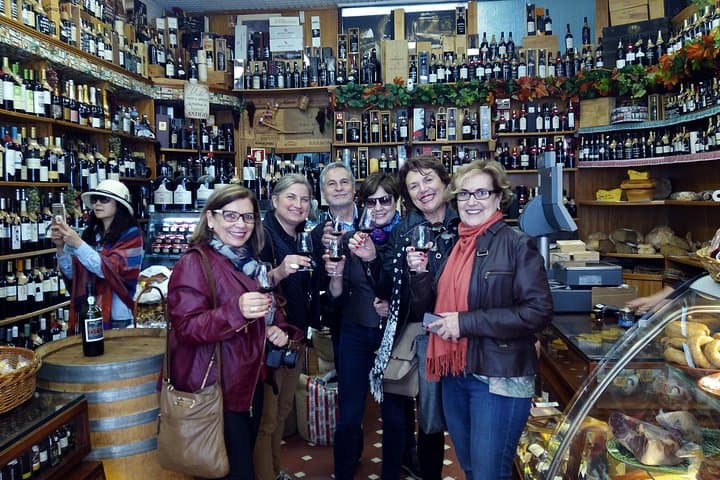
This is the ground-level version: market halls, neighborhood tascas, and enough tastings to replace a meal. A guide walks you through what's actually being sold, how port styles differ, and why certain pairings work. You'll cover more food variety than wine volume, and the route changes depending on what's good that week.

Why you'll love it

  • You see how locals shop and eat, not just tourist setups
  • Food pairings show you why port tastes different with cheese versus chocolate
  • Guides adjust the route if a vendor or cellar is closed
  • Private format means you set the pace and ask dumb questions

Worth knowing

  • Three to four hours on foot—wear comfortable shoes
  • Not ideal if you only care about wine and want to skip the food context
  • Costs more than a standalone tasting ($178–300 per person for private tours)

Best for: People who want the full cultural download and don't mind walking

Typical price: $178–300 per person (private); $40–202 for shared or shorter versions
Way 2

From a boat on the Douro

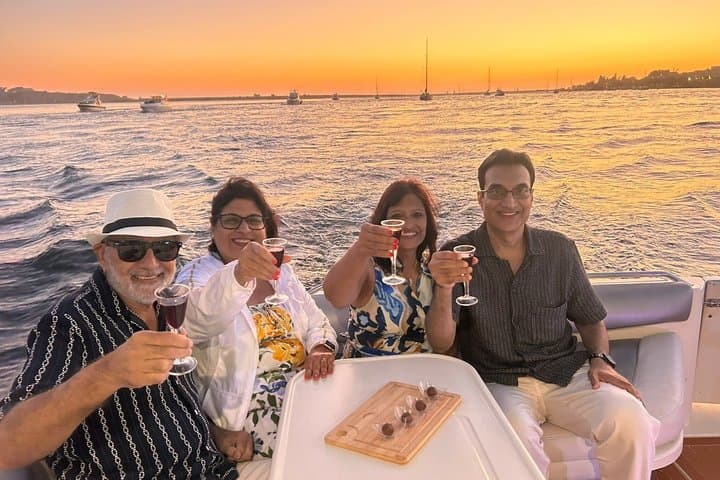
The river runs right through Porto's wine story—quintas terraced above the water, Gaia cellars stacked on the south bank—and a yacht cruise lets you taste port while watching the geography that makes it possible. You'll pass under the six bridges, stop for a tasting (usually two to three ports), and avoid the crowds that pack Ribeira at street level. The format is more about context than volume.

Why you'll love it

  • You see the terraced vineyards and lodges from the water, which makes the production story clearer
  • Private boats skip the tourist-boat crowds and let you control the music and timing
  • Sunset departures are reliably pretty and less hot than midday

Worth knowing

  • Limited tasting variety—usually two to three ports, not the full style range
  • Wind and sun can be rough if you're sensitive to either
  • Private yachts cost significantly more ($171–334 per group)

Best for: Groups who want a scenic, low-effort intro to port without committing to a full cellar tour

Typical price: $45–67 per person (shared); $171–334 per group (private)

Way 3

Deep tasting in a Gaia cellar

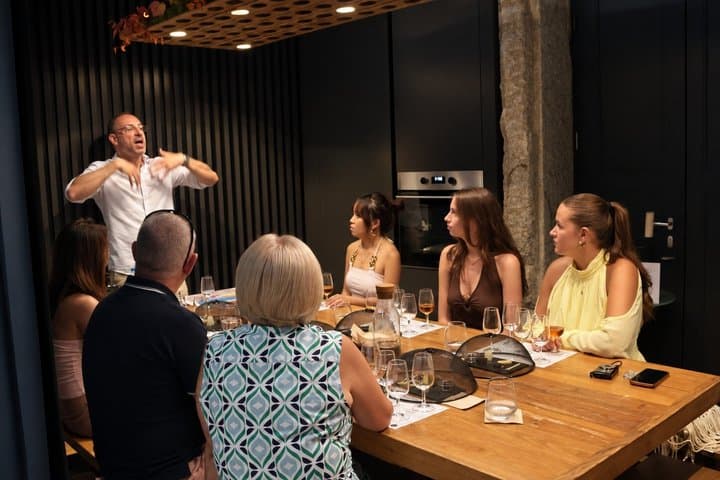
This is the sit-down, methodical version: five port styles lined up in front of you, each paired with something that shows how the wine changes with food. You'll learn the mechanical differences—how ruby and tawny age differently, why late-bottled vintage exists, what vintage port actually costs. The format is slower and more educational than a boat pour or walking sip.

Why you'll love it

  • You taste the full port spectrum in 90 minutes, not just one or two styles
  • Food pairings (cheese, chocolate, dried fruit) teach you what works and why
  • Cheaper than guided walking or boat tours
  • No weather or timing risk—cellar stays cool year-round

Worth knowing

  • No broader Porto context—you're in a tasting room, not the city
  • Can feel formal or rushed if you prefer casual drinking

Best for: Wine nerds who want to understand port styles without the filler

Typical price: $40 per person

Way 4

Day trip to the Douro Valley or Minho

If you're staying in Porto but want to see where the wine actually grows, a full-day tour north to Minho (for vinho verde) or east into the Douro (for port quintas) gives you vineyard context and producer tastings. The Douro route involves terraced hillsides and family-run estates; Minho is flatter, greener, and focused on young, fizzy whites. Both include lunch and cost significantly more than in-town tastings.

Why you'll love it

  • You see the vineyards, not just the bottling rooms
  • Producers explain terroir and process in person, which makes tasting more concrete
  • Lunch is included and usually paired with local wine

Worth knowing

  • Eight hours minimum, so it eats your whole day
  • Transport logistics (narrow roads, longer drives) mean less tasting time than you'd expect
  • Much higher cost ($300 per person for private tours)

Best for: People with extra time in Porto who want the full vineyard story

Typical price: $300 per person (private, full day)

Before you go

  • Book Gaia cellar tastings directly—many lodges offer walk-in sessions cheaper than tour-bundled versions.
  • Morning market tours work best on weekdays when vendors are fully stocked and less rushed.
  • Sunset boat cruises fill fast in summer; book 48 hours ahead or expect to share a crowded deck.
  • Tawny port is aged in barrels and tastes nutty; ruby is aged in bottles and tastes fruitier—most guides will drill this distinction early.
  • If you're doing both a walking food tour and a standalone port tasting, space them a day apart—your palate will thank you.
  • Private yacht or food tours cost more but let you skip stops that don't interest you and linger where they do.