Lisbon vs Porto
Lisbon spreads across seven hills with grand boulevards and riverfront monuments; Porto clings to steep granite above the Douro, where port lodges and francesinha define the day. Both cities deliver on food and wine, but the textures are completely different — one's imperial and sprawling, the other's compact and gritty. If you only have nights to spend in one, the choice comes down to whether you want scale and variety or intensity and focus.
Lisbon
Lisbon gives you range: multiple neighborhoods with distinct personalities, Art Deco hotels in walkable central districts, and food tours that toggle between city tastings and full-day winery escapes to Arrábida or Setúbal. You get pastel de nata, ginjinha shots in Rossio, and estate lunches in cork forests an hour away. The infrastructure is smoother, the hotel stock deeper, and you can fill a week without repeating yourself.
Why you'll love it
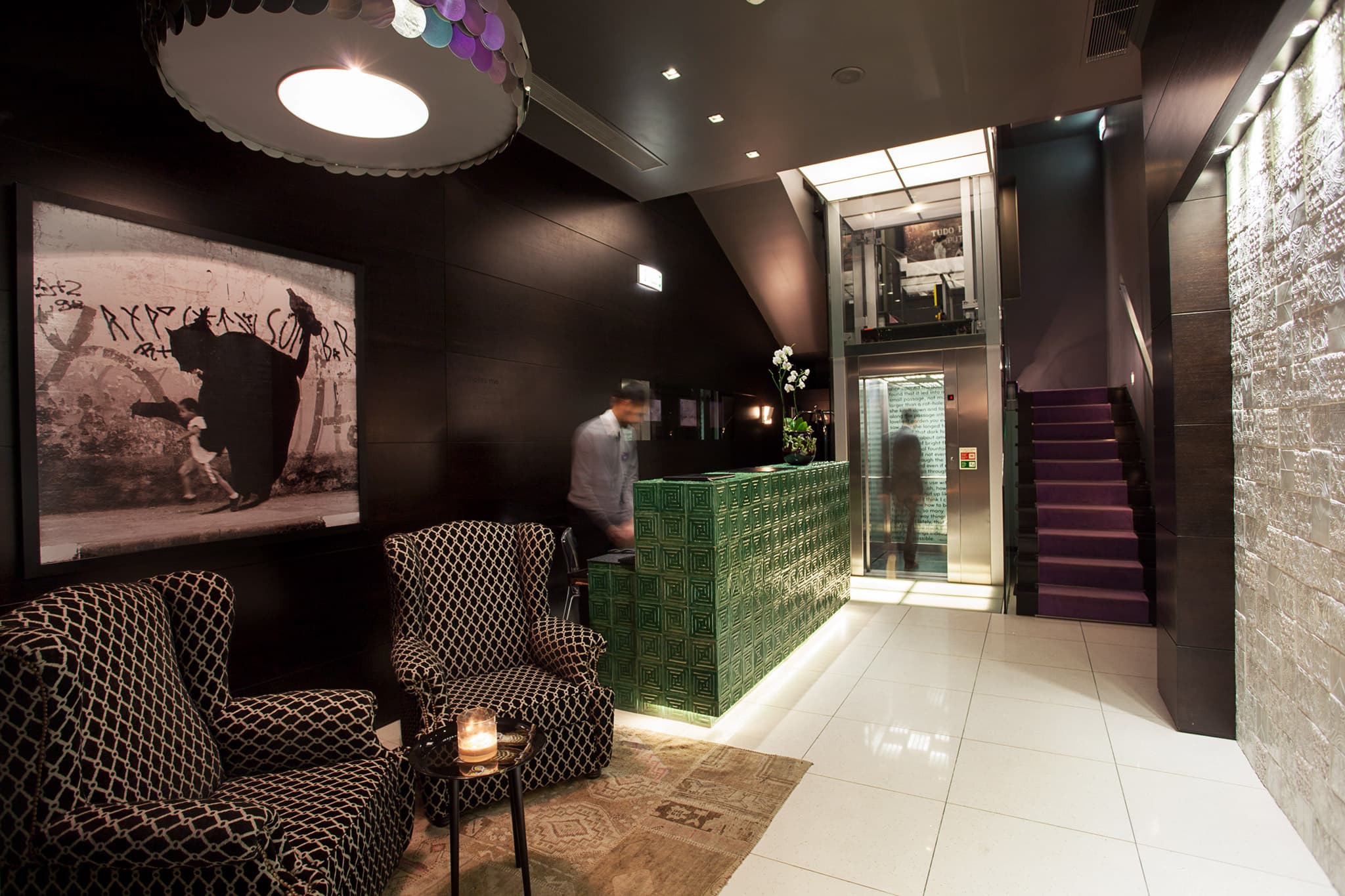
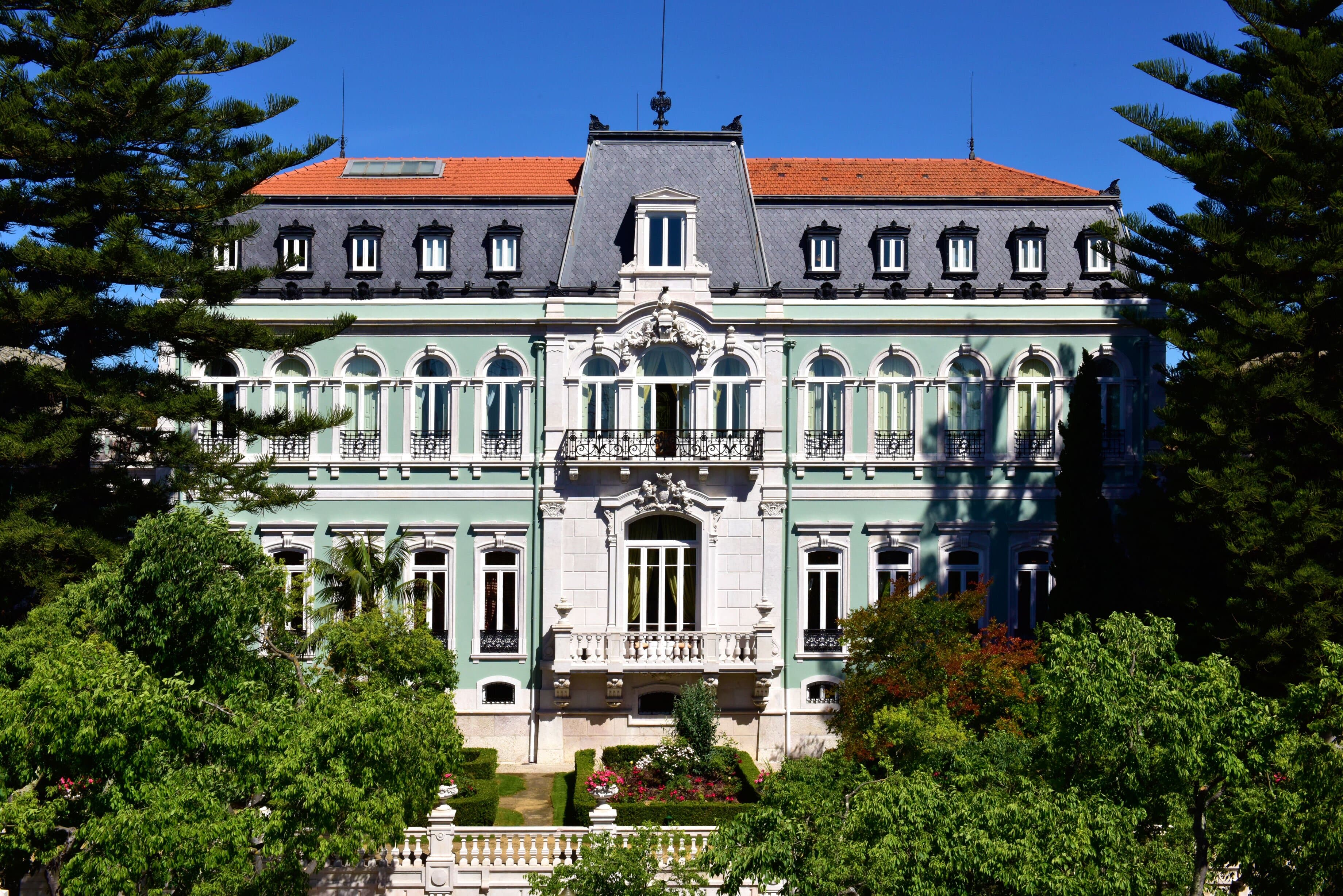
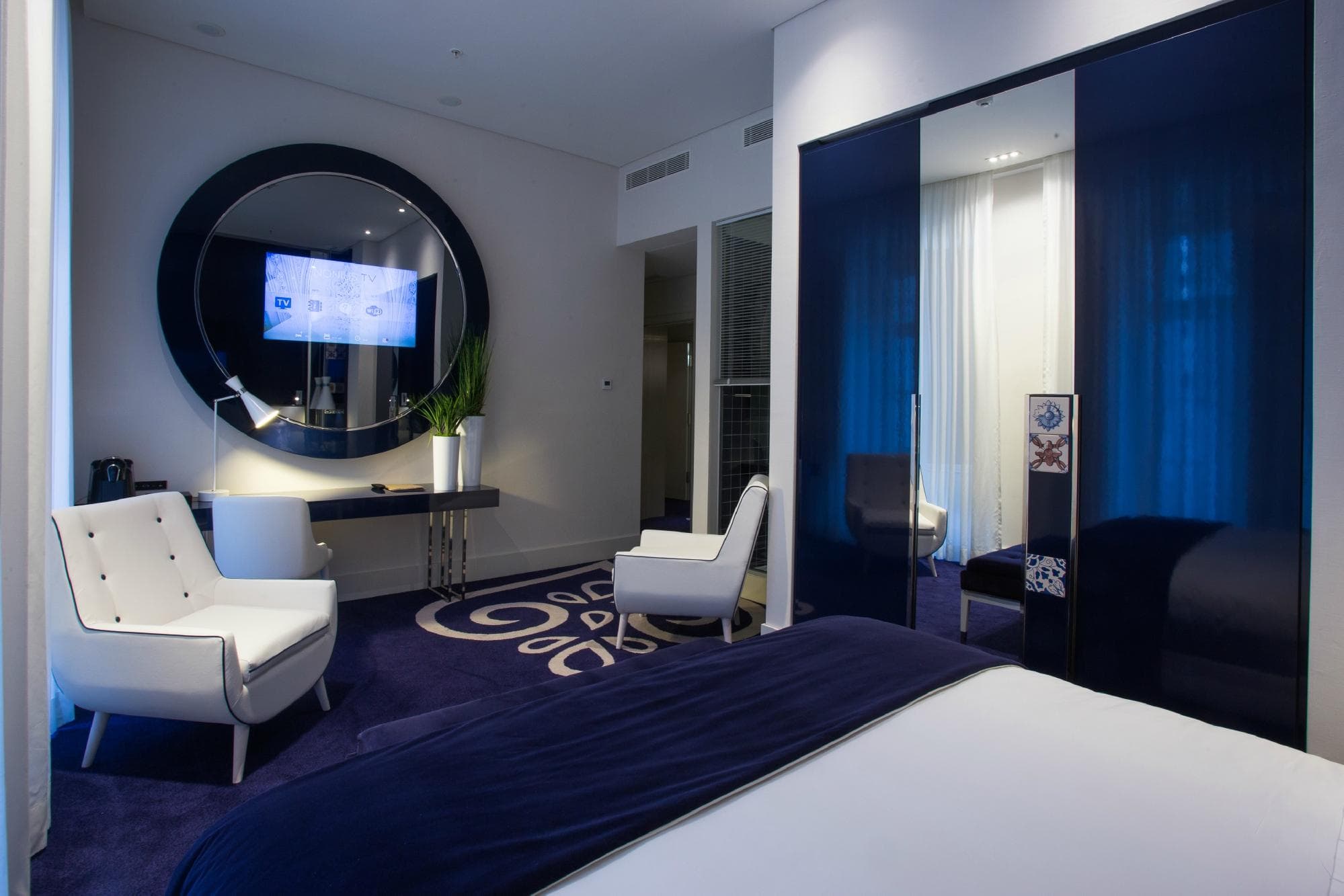
- Variety of hotel styles and locations — Art Deco boutiques near Avenida da Liberdade, palatial estates near Belém, business hotels with metro access
- Food and wine tours split between quick city walks ($120–300) and full-day winery trips ($150–750) — you pick based on your schedule
- Neighborhoods are spread out enough that each feels different — Alfama's not Belém, Baixa's not Príncipe Real
- Easier logistics: more flights, more accommodation tiers, better English fluency
- Sunset cruises on the Tagus with wine and live music for $50 — cheaper and more relaxed than land-based tours
Worth knowing
- The city's size means more transit time between districts — you'll walk or metro more than in Porto
- Can feel generic in the wrong hotel or tour — Lisbon has a lot of tourism infrastructure, not all of it sharp
- Food tours in the city itself don't get you to vineyards; that requires a full-day commitment
- Some central hotels (like Hotel Mundial at 3.9) trade charm for location — you're paying for proximity, not character
Best for: People who want options — multiple nights to explore different neighborhoods, flexibility to do a city food walk one day and a winery trip the next, or travelers who value smoother infrastructure and variety over intensity.
Porto
Porto is tighter and steeper. You're walking Ribeira to Gaia to taste port where it's aged, eating francesinha in century-old tascas, and absorbing the city's working-port grit in a couple of dense days. The hotel selection skews more limited (some of the data here pulls in beach properties north of the city or inland quintas, not central Porto options), but the food and wine experiences deliver more regional specificity — port cellars, Douro terraces, and neighborhood markets that haven't been sanitized for tourists.
Why you'll love it
- Port tasting in Gaia lodges ($40 for deep cellar sessions) teaches you the mechanical differences between styles in the place that makes them
- Walking food tours ($40–300) and Douro boat tastings ($45–171) are geographically compact — you're never far from the river or a market
- The city's smaller scale means you cover more ground on foot without feeling like you're commuting
- Day trips to Douro Valley quintas ($300) give you terraced vineyards and producer tastings an hour from the city
- Porto's food culture is more regionally stubborn — you're eating what northerners actually eat, not what tourists expect
Worth knowing
- Central hotel stock is thinner; some options in the data are airport properties or beach towns, not walkable Porto locations
- Steeper topography means more uphill slogs — the city is not flat, and you'll feel it by day two
- Less variety in neighborhoods compared to Lisbon — Porto's core is concentrated, which is efficient but can feel repetitive after three days
- Port-focused experiences dominate; if you're indifferent to fortified wine, half the city's appeal evaporates
- Day trips eat a full day and cost as much as in Lisbon, but the Douro roads are narrower and slower
Best for: Travelers who want depth over breadth — people who'd rather spend three days understanding port and northern food culture than sampling a little of everything. Best if you have limited time and want a city that rewards intensity.
The verdict
Porto wins if you have two to three days, care about wine education, and want a city you can walk end-to-end without a map. Lisbon wins if you have a week, want variety in both hotels and activities, or need smoother logistics for a first trip to Portugal. The exception: if port doesn't interest you or you're traveling with kids who won't tolerate steep cobblestones, Lisbon's flatter districts and broader appeal make it the safer default. Both cities pair well with a few beach or countryside days, but Porto's proximity to the Douro Valley gives it the edge for wine-focused travelers who want vineyard context, not just city tastings.
Either way
- Book food or wine tours for your first full day — they orient you to neighborhoods and pair well with jetlag recovery walks
- If you're doing a full-day winery trip from either city, schedule it mid-trip, not on arrival or departure days — the drives are long and you'll want buffer time
- In Lisbon, stay near Avenida da Liberdade or Rossio for walkable access to multiple districts; in Porto, Ribeira or Cedofeita put you close to both the river and the food action
- Port cellars in Gaia and Lisbon's ginjinha bars both close earlier than you'd expect — plan tastings for afternoon, not evening
- If you're sensitive to hills, Lisbon's Baixa and Belém are flatter than Porto's entire core — factor that into your hotel and walking route choices
The picks, up close