
Portugal area guide
Porto
Porto is Portugal's second city, stacked along the Douro River where the port wine trade made it rich and left behind cellars, baroque churches, and tiled facades that climb straight up from the water. The historic center — Ribeira down by the docks, the Aliados boulevard, and the Bolhão market district — is dense, walkable, and cheap to eat in, with more Michelin stars per square kilometer than any Portuguese city outside Lisbon. Across the river in Vila Nova de Gaia, the port lodges line the waterfront like a tasting menu you can walk through. It's a working city first, a tourist destination second, which means the crowds thin out fast once you leave the riverside postcard zone.
Updated September 2026
© TripAdvisor contributor via TripAdvisor
Base here if
- Wine travelers who want to understand port without the Douro Valley hotel markup — the lodges are walkable and most offer tours under €15.
- Food obsessives chasing value — Porto has the country's highest concentration of great cooking under €30 a head, from tripas à moda do Porto to whatever the market turned up that morning.
- Urban walkers who like hills, bridges, and riverfront grit — the city rewards people who explore on foot and don't mind cobblestones.
- Budget-conscious couples or solo travelers who want a real city with centuries of architecture but won't pay Lisbon prices for a bed or a meal.
Look elsewhere if
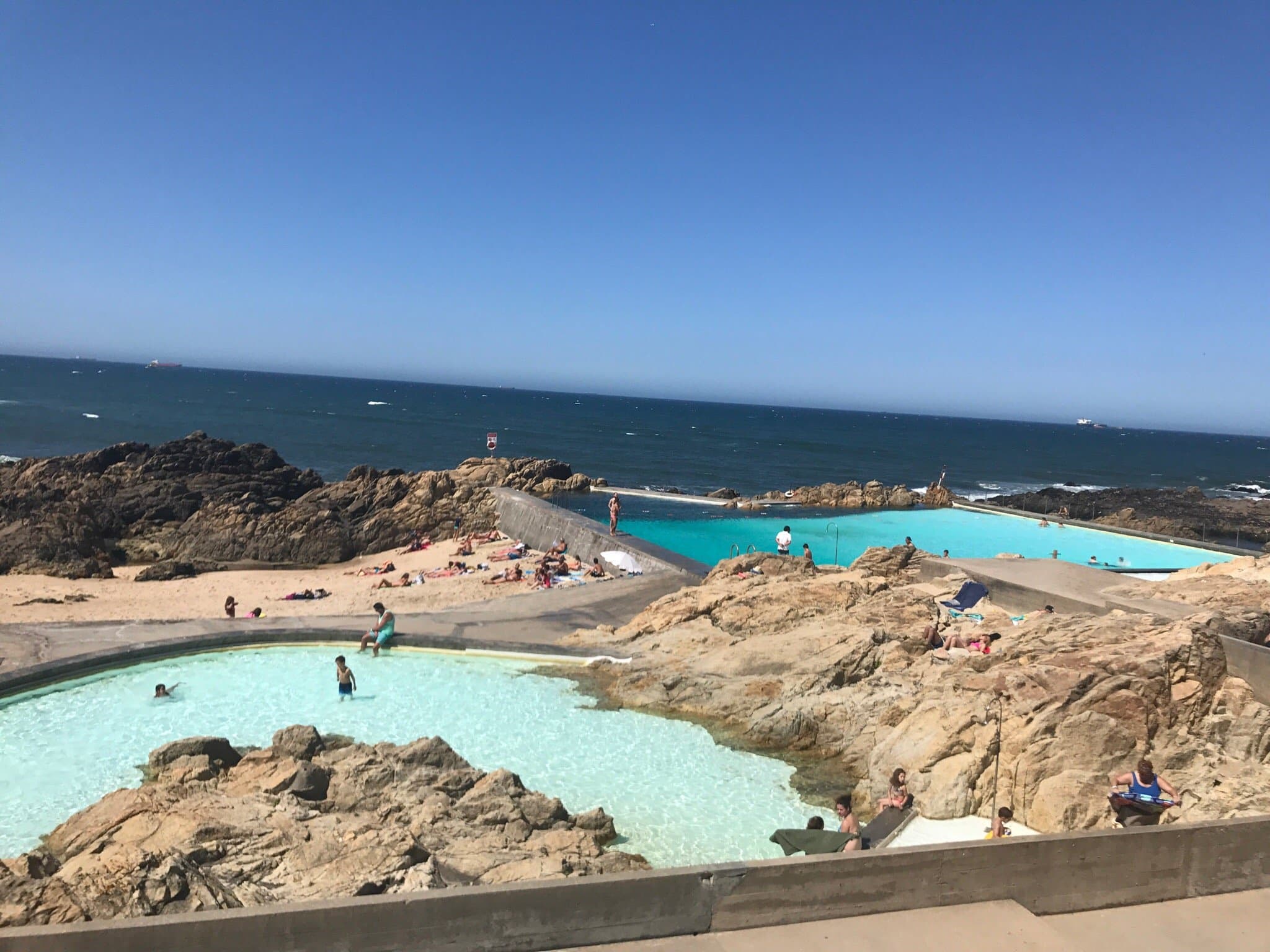
- Beach-first travelers — Matosinhos has sand and surf, but it's a metro ride away and the Atlantic stays cold; if the beach is the anchor, base in the Algarve or Cascais.
- Families with small kids or travelers with mobility concerns — the historic center is all steep inclines, narrow alleys, and uneven granite; a stroller or a bad knee will make you miserable.
- Luxury resort seekers — Porto is a city hotel destination, not a spa retreat; if you want a pool and a view and room service, head to the Douro wine country instead.
- People allergic to crowds in summer — Ribeira and the Dom Luís bridge turn into a selfie scrum from June through September, and the narrow streets don't absorb the volume well.
The vibe
At 9am, Porto is a working city waking up — bakeries pull out trays of pastéis de nata, the Bolhão market vendors stack produce, and commuters flood the metro. The tourists haven't hit the Ribeira yet, so the riverside belongs to the fishmongers and the people walking dogs along the Douro. By 9pm, the riverfront is full — couples on the terrace bars, tour groups stumbling out of port tastings, and the restaurant strip in Matosinhos grilling fish to order for anyone who made the trip north. The noise spreads uphill into the Cedofeita and Bonfim neighborhoods, where neighborhood tascas and wine bars stay open late and the crowds skew more local than the postcard zones.
On foot vs. with wheels
Central Porto is walkable if your knees can handle it — the city climbs steeply from the Douro up to the Clérigos tower and the university district, and the cobblestones and granite staircases are unforgiving. You can reach Ribeira, the port lodges in Gaia, the Aliados, and the São Bento station on foot from most city-center hotels, and the metro connects Matosinhos Beach and the airport without needing a car. A car is dead weight in the historic core — parking is scarce, expensive, and the one-way streets will punish you — but it's useful if you're day-tripping to the Douro Valley, Guimarães, or Braga. Taxis and Ubers are cheap and plentiful for anything beyond walking range.
Where to stay
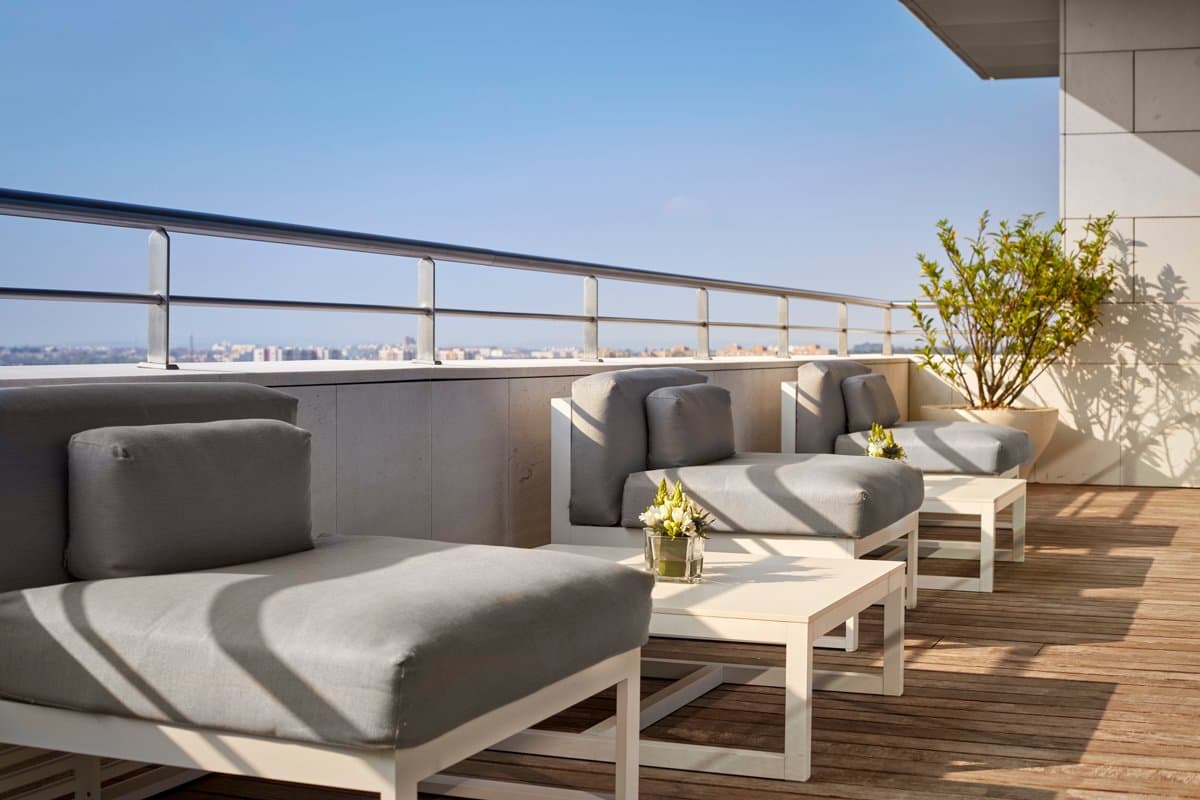
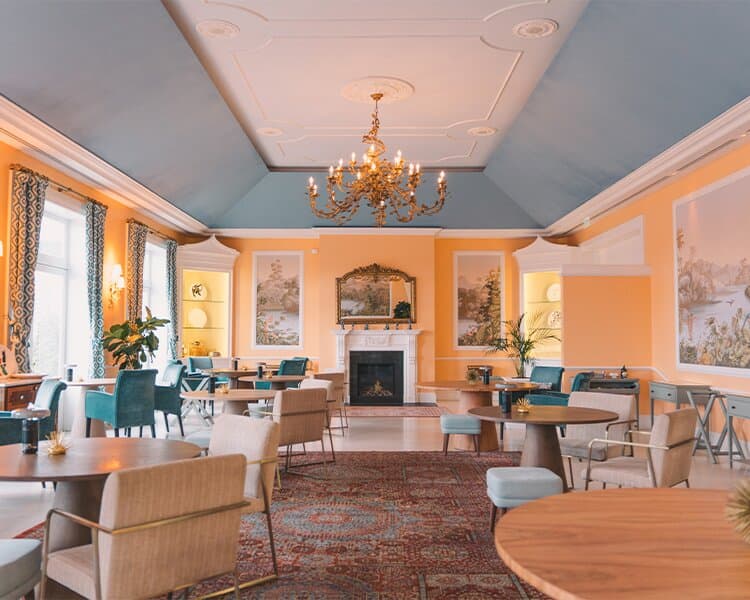
The best stays in Porto.


The sand
Beaches on your doorstep.
Where to eat
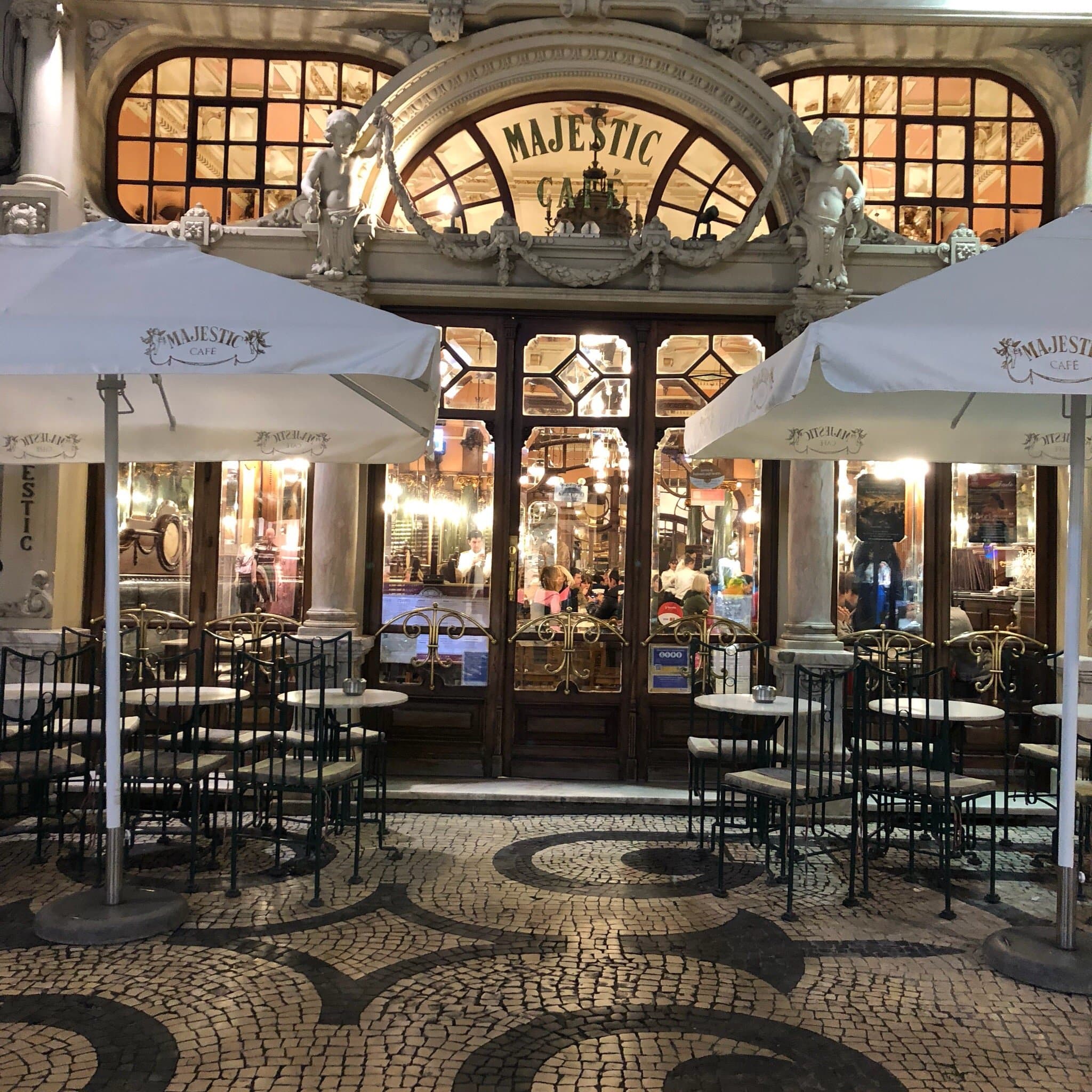
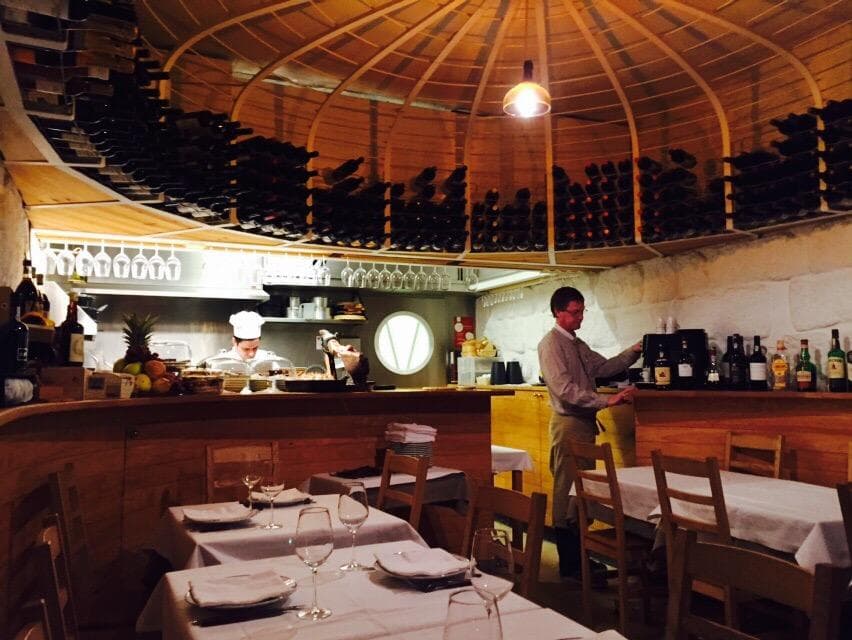
Eating well in Porto.



Things to do
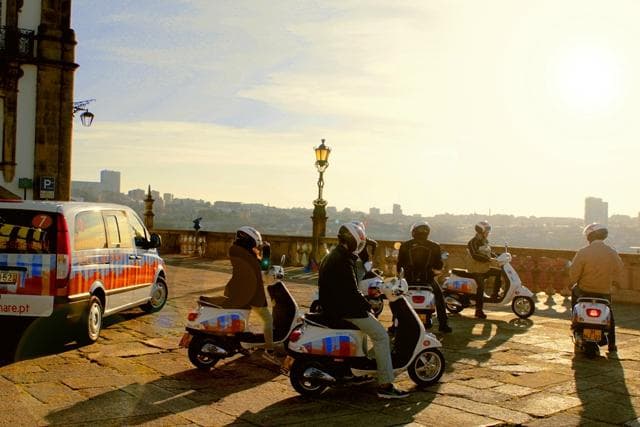
Worth your time nearby.


A day based here
How a Porto day actually goes.
Morning
Start at Bolhão market if it's a weekday, then walk downhill through the Clérigos tower district toward the river — stop at one of the bakeries near São Bento station for a pastel de nata and a coffee at the counter. Cross the Dom Luís bridge on the upper deck for the view, then drop into one of the port lodges in Vila Nova de Gaia — most open by 10am and offer short tours with tastings from €10-15. If you want structure, book the Detours walking tour, which covers the city's history, architecture, and food without the museum-guide monotone.
Afternoon
Lunch in the Ribeira or Cedofeita — skip the riverside tourist traps and aim for spots like Sabor Tripeiro in Gaia if you want traditional tripas, or walk inland to the neighborhoods where locals eat. After lunch, either explore the Miragaia district's narrow streets and azulejo-covered houses, or take the metro north to Matosinhos Beach for an hour on the sand and a look at the seafood restaurants that line the boardwalk. If the weather turns, the Livraria Lello bookstore is beautiful but mobbed — go late in the day or skip it entirely.
Evening
Dinner at one of the mid-range Portuguese spots in Cedofeita or Bonfim, or take the metro back to Matosinhos and eat grilled fish at one of the beachfront grills — fresh, cheap, and consistently good. After dinner, either stay in the neighborhood for wine at a tasca, or head back to Ribeira for a nightcap on the terrace bars overlooking the Douro and the illuminated Dom Luís bridge. The city quiets down after midnight outside the tourist core, but the riverside and Galerias de Paris area stay lively through the weekend.
Good to know
- Book the Detours walking tour early — it's the highest-rated city tour in Porto and slots fill days in advance, especially in summer.
- Avoid eating on the Ribeira waterfront strip — the restaurants facing the river are tourist traps with inflated prices and reheated food; walk two blocks inland or cross to Gaia for better value.
- The upper deck of the Dom Luís bridge is free to walk and offers the best view of the city — go early morning or late afternoon to avoid the midday crowds and the direct sun.
- If you're day-tripping to the Douro Valley, rent a car or book a small-group tour — the train is scenic but slow, and the wineries require wheels to reach.
- Matosinhos Beach is a 20-minute metro ride from the city center on the blue line — the seafood restaurants are cheaper and better than almost anything in central Porto, especially the grilled fish spots along Rua Heróis de França.
- Most port lodges in Vila Nova de Gaia don't require advance booking for basic tours, but if you want a longer tasting or a specific producer like Taylor's or Graham's, reserve online a day or two ahead.
Not sure Porto is your base?
Fifteen short questions and we'll match the area, the hotel, and the restaurants to how you actually like to travel.
Build my plan →